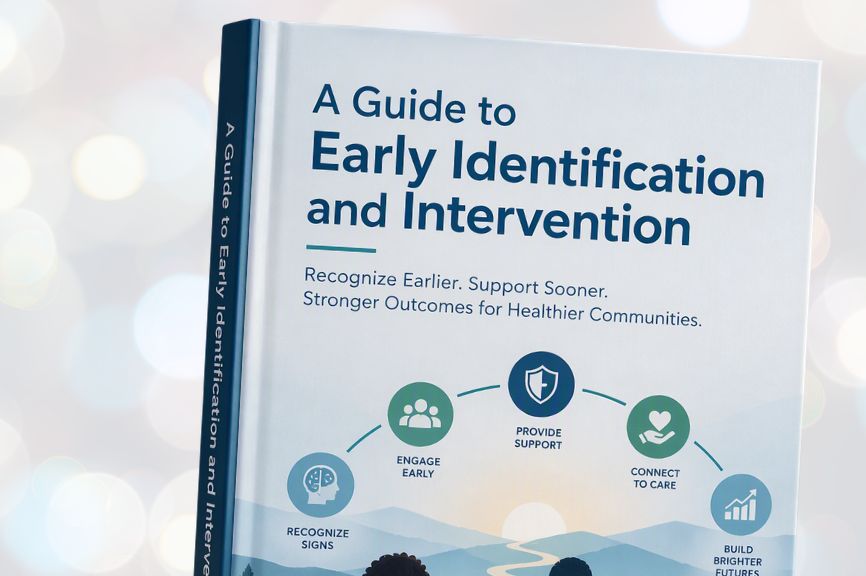
Substance Use Disorder Prevention: A Guide to Early Identification and Intervention
September 30, 2026
Substance use disorder prevention starts with identifying risky use early, reducing harm, and connecting people to the right intervention before problems escalate. Effective prevention combines education, screening, early intervention, and referral to care.
What is substance use disorder prevention?
Substance use disorder (SUD) prevention uses evidence-based strategies to prevent or delay the onset of substance use, identify risky use early, and reduce the risk of developing SUD. Strategies include education, screening, risk assessment, early intervention, community health programs, and behavioral health support.
Prevention works best when it spans public health, schools, workplaces, community settings, and healthcare. It reaches people who have never used substances, people at risk, and everyone in between. Routine screening, brief intervention, and referral to treatment are core components of every successful program.
What are the three levels of SUD prevention?
Primary prevention stops use before it starts. Secondary prevention identifies and addresses early risk. Tertiary prevention supports people with a diagnosed SUD to prevent escalation, overdose, and relapse.
- Primary: Stop use before it starts -> Education campaigns, school curricula, prevention quizzes.
- Secondary: Identify and address early risk -> Validated screening, brief intervention, SBIRT.
- Tertiary: Prevent escalation, overdose, and relapse -> Referral to treatment, peer recovery support, harm reduction
Try our Sample Screeners & Quizzes!
What is SBIRT, and how can it scale?
SBIRT (Screening, Brief Intervention, and Referral to Treatment) is an evidence-based approach that identifies risky substance use early, delivers a brief intervention matched to risk, and refers to treatment when needed. Most people screened fall into low or moderate risk, where a brief intervention alone is the right response.
Digital tools can automate screening and brief intervention, so communities reach far more people than in-person screening alone.
The evidence is strong. In SAMHSA’s multisite SBIRT program, which screened 459,599 patients, illicit drug use was 67.7% lower and heavy drinking was 38.6% lower six months later among people who reported use at intake (Madras et al., 2009).
Why is early identification of substance use important?
Most addiction starts in adolescence. Nine in 10 Americans who meet clinical criteria for addiction started using substances before age 18, according to CASA Columbia’s landmark 2011 report.
Untreated early use raises the risk of school challenges, justice system involvement, neurocognitive deficits, and mental health issues. Substance use is also a major contributor to adolescent deaths from unintentional injury, suicide, and violence.
For people already using substances, routine screening catches problems before they become chronic and identifies the right treatment path.
Who should be screened for substance use?
Leading clinical bodies recommend routine screening for both adolescents and adults. The American Academy of Pediatrics calls on pediatricians to make SBIRT part of routine adolescent care. The U.S. Preventive Services Task Force recommends screening adults 18 and older for unhealthy drug use, including pregnant and postpartum people.
People with co-occurring mental health conditions, a family history of addiction, and older adults also benefit from routine screening.
How are SUD screenings conducted?
Screenings use short, validated questionnaires delivered verbally, on paper, or through a digital tool. Providers typically screen at routine check-ups or new-patient visits. Public health agencies, schools, and employers can offer screening too.
What screening tools are used for substance use?
Common validated tools include:
- AUDIT for alcohol use
- DAST-10 for drug use
- CRAFFT 2.1, S2BI, and BSTAD for adolescents
- TAPS for adults in primary care
- 5P for pregnant and postpartum individuals
- PHQ-9 and GAD-7 for co-occurring depression and anxiety
How do routine screenings reduce stigma?
Universal screening asks everyone the same questions. That removes bias based on socioeconomic status, race, or appearance and normalizes the conversation about substance use. Screening in primary care and mental health settings is also more accessible, and less stigmatizing, than a specialist visit.
Can organizations screen youth without parental consent?
It depends on state law. Knowledge-based prevention quizzes are a common alternative. They collect no personal health information and produce no clinical score, so they typically don’t require consent and work well in schools and community settings.
What happens after someone screens positive?
They receive a brief intervention tailored to their risk and, when needed, a referral to treatment. In person, a clinician delivers both. Digitally, the tool delivers personalized feedback and a direct path to care in the moment.
How do you measure the impact of a prevention program?
Track reach (quizzes and screenings completed), risk levels across the community, engagement with brief interventions, and referrals made. Digital platforms capture this automatically for grant reporting.
Common metrics include:
- Number of people screened and screening completion rates
- Distribution of risk levels across the screened population
- Brief interventions delivered and engaged with
- Referrals made and referrals completed
- New SUD diagnoses within the patient base
- SUD-related emergency department and urgent care use
- Local substance use rates and trends
Digital screening tools make most of these visible in real time.
How do digital tools support prevention and early intervention?
Digital tools remove barriers to screening and treatment. A public health agency can share a screening link or QR code across a community: posters, billboards, buses, and websites. People screen privately, which improves honesty and reduces stigma. They receive a brief intervention immediately and, when needed, a referral to treatment.
Clinicians can use the same tools during appointments to streamline screening and track assessments, referrals, and outcomes.
How does CHESS Health support SUD prevention?
CHESS Health’s ePrevention automates screening and SBIRT so prevention programs can reach entire communities without adding staff.
- Scale. One link or QR code reaches thousands of people across schools, clinics, workplaces, and public spaces.
- Consistency. Every person gets the same validated screener, scored the same way, every time. Choose from a library of validated screeners and prevention quizzes, or customize your own.
- Speed to care. Smart interventions respond to each person’s answers in the moment, closing the gap between identifying risk and reaching the right resource. People who need more support connect through closed-loop referral or 24/7 peer support in the Connections app.
The results are real. One provider used ePrevention to identify at-risk youth and deliver more than 690 interventions. A rural provider supported 813 individuals in Chaves County. An employer protected $1 million in investment and saved $130,000 in recruitment and training costs.
See how ePrevention works for public sector organizations, health plans, and behavioral health providers, or watch The ROI of Early Intervention.